Building a Music Deck: Curation Rules for a Free Download Library
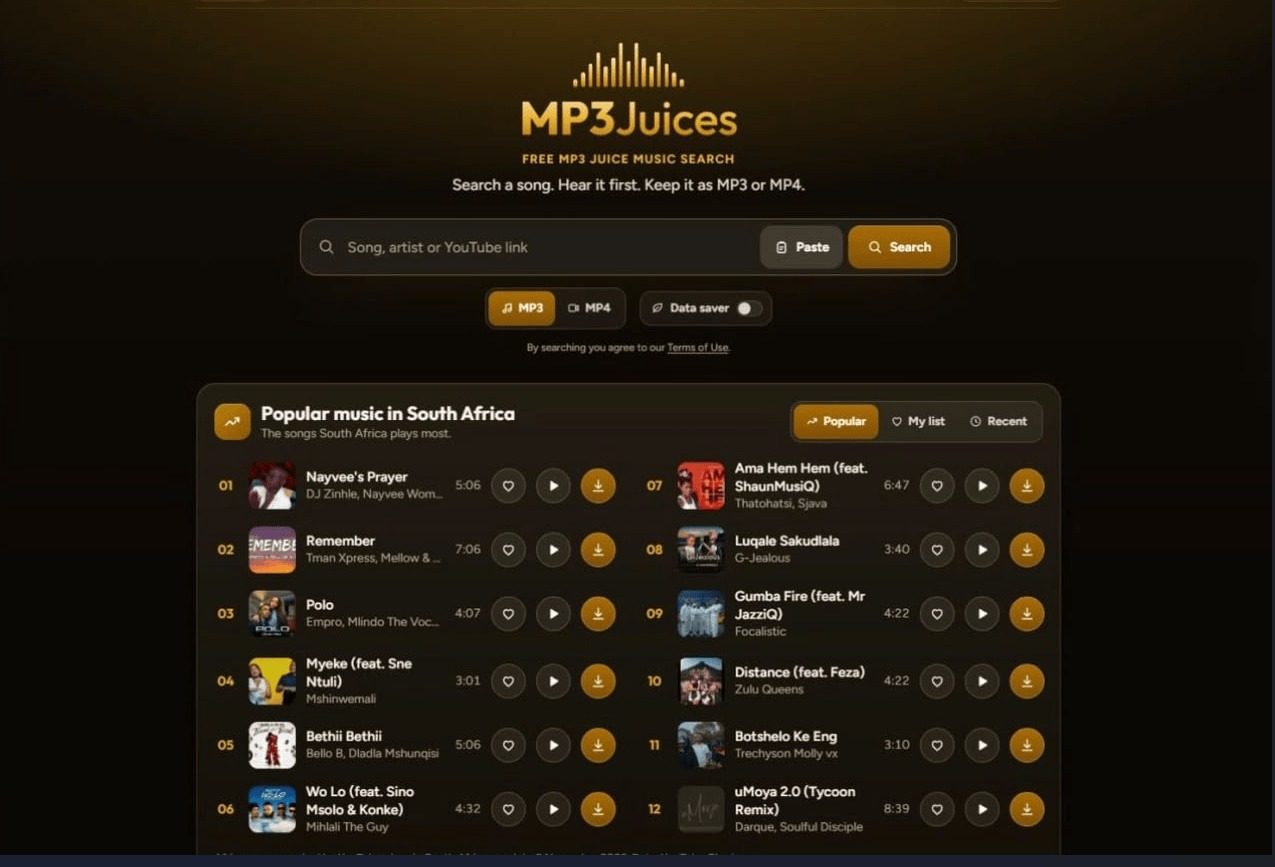
A winning deck isn’t the one with the most cards — it’s the one where every card earns its slot. A music library works the same way. If you treat each download as a card you’re adding to a deck, you stop hoarding files and start building something you can actually play, shuffle, and enjoy. That’s the mindset behind using mp3juices.art, a free music search site where you can find a track, preview it, and pull it down as MP3 or MP4 without an account or install.
The search intent here is practical: you want to know how to use a free download platform to build a collection that stays useful. The answer is curation, not accumulation. Below are the drafting rules that keep a library lean and playable.
Know Your Win Condition Before You Draft
Every deck starts with a plan. Are you building a workout mix, a study playlist, a party rotation, or a deep archive of one genre? The answer changes what you draft. A workout deck needs high-energy cards; a study deck needs low-distraction ones. Before you search, write down the purpose in one sentence.
MP3Juices supports this by letting you browse by genre and artist, check charts, and listen before you commit. That preview step is your scouting report — you get to see the card’s stats before it enters the deck. Skipping it is how libraries fill up with files you never play.
The Drafting Rules: What Gets a Slot
Good decks follow a few simple rules. They aren’t rigid, but they keep the pile from turning into chaos.
Rule 1: Preview before you pull
Play the track first. If the intro doesn’t grab you, the file probably won’t survive the next cleanup. The listen-before-download flow is the single most useful habit on mp3juices.art — it turns impulse grabs into deliberate picks.
Rule 2: One card, one job
Don’t download five versions of the same song “just in case.” Pick the mix that fits the deck’s purpose. If you need a radio edit for a family playlist and an extended cut for a workout, that’s two different decks — not two files in the same folder.
Rule 3: Match the format to the slot
MP3 is the workhorse: small files, plays everywhere, ideal for phones and portable speakers. MP4 is the pick when the video matters — a live performance, a music video, a visual you want to keep. Drafting MP4 for audio-only listening just eats storage.
Rule 4: Use the personal list as your sideboard
The personal list feature works like a sideboard — cards you’re considering but haven’t committed to the main deck. Park candidates there, revisit them later, and promote only the ones that still feel right after a few days.
Rule 5: Keep a data-saver mindset
Data saver mode matters on mobile. If you’re drafting on a limited connection, preview at lower quality and save full downloads for tracks that pass the audition. A deck built on a tight data budget forces better choices.
Cutting Weak Cards Without Regret
The hardest part of deck-building is the cut. Every collector eventually faces a folder of files they downloaded once and never opened. The fix is a scheduled purge, not a bigger hard drive.
Sort by last played and last added. Anything untouched for a season is a candidate for removal. Duplicates go first — same song, different bitrate, three copies deep. Then cut the impulse grabs: the tracks you downloaded because the title looked interesting, not because you wanted to hear them again.
A lean deck is easier to search, easier to back up, and easier to move between devices. Cutting isn’t losing cards; it’s protecting the ones that matter. If a cut track turns out to be a mistake, the search bar is still there — you can always redraft it.
Building Decks for Different Occasions
Most listeners need more than one deck. Think of them as separate builds with separate rules.
- Focus deck: instrumental, ambient, or low-vocal tracks. Small, stable, rarely rotated.
- Energy deck: fast tempos and heavy beats for workouts and commutes. Rotate often to avoid fatigue.
- Social deck: crowd-pleasers with wide appeal. Favor familiar hooks and clean versions.
- Discovery deck: new artists and genres you’re auditioning. Keep it small and prune aggressively.
Genre and artist browsing on mp3juices.art makes it easy to source each deck from the right pool. Charts are useful for the social deck; artist pages are better for discovery. Mixing the pools is how decks start to blur.
| Deck type | Format priority | Rotation speed |
|---|---|---|
| Focus | MP3 | Slow |
| Energy | MP3 | Fast |
| Social | MP3 or MP4 | Medium |
| Discovery | MP3 | Fast |
The Deck Review Routine That Keeps It Playable
Set a recurring review — monthly is enough for most listeners. Open the library, play the first thirty seconds of a handful of tracks, and ask one question: does this card still earn its slot? If the answer is no, cut it or move it to the sideboard.
During the review, check for gaps. A deck with ten high-energy tracks and no breathers will wear out fast. Add contrast where it’s missing, and use the preview step to test candidates before they enter. The review isn’t about perfection — it’s about keeping the deck functional.
Finally, back up the keepers. A curated deck is worth more than a full drive, and a simple copy to a second location protects the work you’ve put in. Build deliberately, cut honestly, review regularly, and the library stays a deck you actually want to play.