The Complete Guide to Commercial Airline Stretcher Services for Safe Medical Transport
When a medical condition requires long-distance travel, the logistics can be overwhelming. For patients who cannot sit upright during a flight, a provides a vital solution. This specialized service allows individuals to lie flat throughout the journey while traveling on a scheduled commercial flight, offering a cost-effective alternative to private air ambulances. In this comprehensive guide, we will explore every aspect of commercial airline stretcher services, from booking procedures to onboard care, and highlight how this option is transforming medical travel across Canada and beyond.
Learn more about airline stretcher Canada and how it applies to your specific needs.
Understanding the nuances of medical air travel is essential for patients, caregivers, and healthcare professionals. Whether you are arranging transport for a loved one or coordinating a discharge, knowing what to expect can reduce stress and ensure a smooth experience. This article covers the key considerations, including eligibility, costs, and the role of medical escorts, to help you make an informed decision.
What Is a Commercial Airline Stretcher?
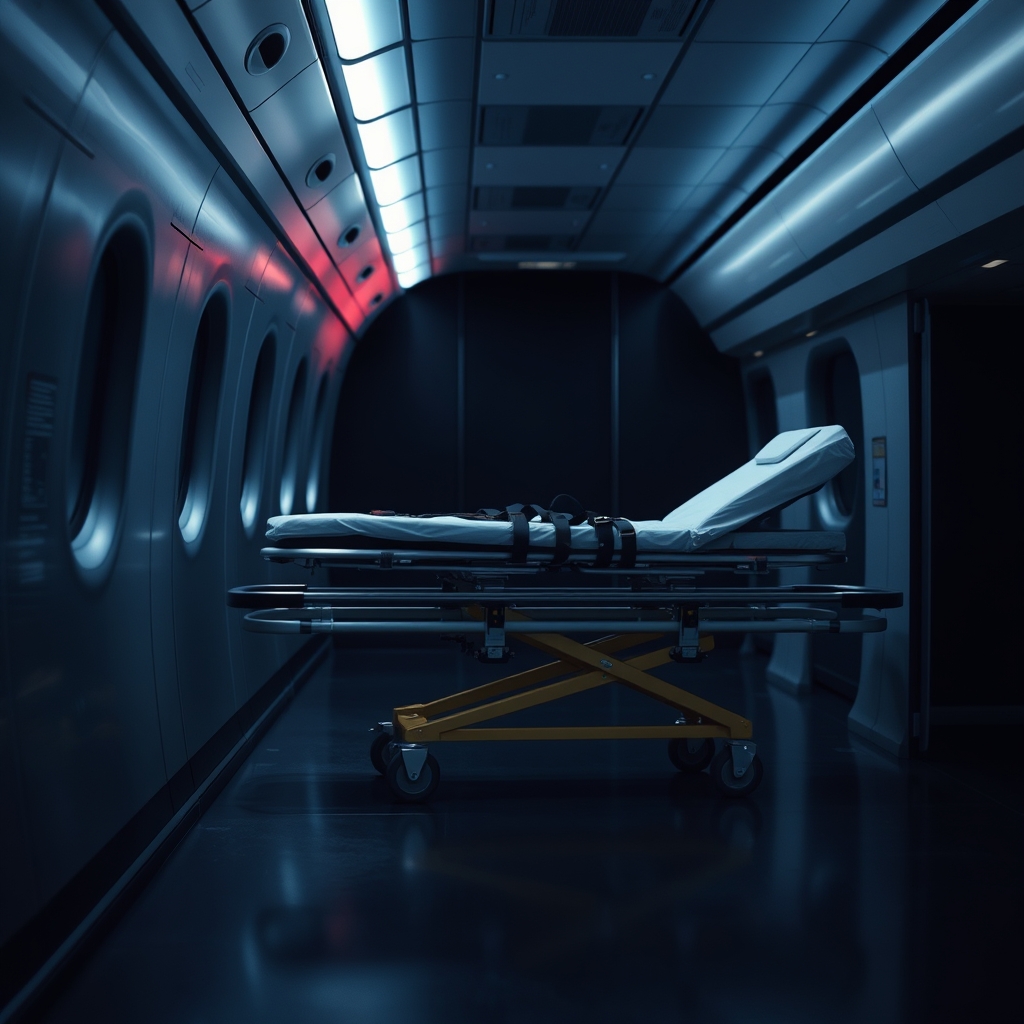
A commercial airline stretcher is a specially designed bed that is installed in the cabin of a regular passenger aircraft, typically in a dedicated area where several seats are removed. The stretcher allows a medically stable patient to travel in a supine position, which is often necessary after surgery, for spinal injuries, or for conditions that prevent sitting. Unlike air ambulances, which are fully equipped medical aircraft, commercial airline stretcher services use the existing flight network, making them more accessible and affordable.
The stretcher is secured to the aircraft floor and includes safety restraints, a mattress, and sometimes a privacy curtain. Airlines such as Air Canada, WestJet, and others offer these services on select routes, subject to medical clearance and advance booking. For patients in need of , this option bridges the gap between emergency air evacuation and regular travel.
Who Needs a Commercial Airline Stretcher?
The typical candidate for a commercial airline stretcher is a patient who is medically stable but cannot sit upright for the duration of a flight. Common scenarios include individuals recovering from major surgery, those with severe fractures or spinal conditions, and patients requiring continuous intravenous therapy or monitoring. Additionally, elderly passengers with mobility limitations or those with terminal illnesses seeking palliative travel may also benefit.
Medical clearance from a physician is mandatory. The airline’s medical team reviews each case to ensure the patient can tolerate the flight environment, including changes in cabin pressure and limited access to emergency equipment. It is important to note that commercial flights are not equipped for intensive care, so patients must be stable enough to travel without constant life support. For residents of western Canada, services are available through major airports like Calgary and Edmonton, connecting patients to destinations across the country and internationally.
How to Book a Commercial Airline Stretcher
Booking a commercial airline stretcher requires careful planning and coordination. The process typically begins with a call to the airline’s medical desk or a specialized medical travel agency. You will need to provide medical documentation, including a detailed letter from your doctor, a medical clearance form, and information about any equipment you plan to bring (such as oxygen or a ventilator).
Once approved, the airline will reserve a block of seats—usually three to six—to accommodate the stretcher and the accompanying medical escort. The cost includes these seats, the stretcher installation fee, and any additional service charges. It is advisable to book well in advance, as only a limited number of stretcher positions are available per flight. For patients traveling from the prairies, services can help coordinate ground transport to the airport and ensure seamless transfers.
Costs and Insurance Coverage
The cost of a commercial airline stretcher varies depending on the airline, route, and level of medical support required. On average, patients can expect to pay between $2,000 and $10,000 CAD for a domestic flight within Canada, with international routes costing significantly more. This is considerably less than a dedicated air ambulance, which can run $15,000 to $50,000 or more.
Many private health insurance plans, travel insurance policies, and provincial health programs may cover part or all of the cost if the transport is deemed medically necessary. For example, Alberta’s air ambulance program provides coverage for residents under certain conditions, but it is important to verify with your insurer before booking. Patients seeking services should request a detailed quote and check for hidden fees, such as cancellation charges or additional escort tickets.
Medical Escorts and Onboard Care
Learn more about commercial airline stretcher alberta and how it applies to your specific needs.
Most airlines require that a medical escort accompany the patient on a stretcher. This escort is typically a nurse, paramedic, or physician who is trained to monitor the patient’s condition and respond to emergencies. The escort sits next to the stretcher and has access to the patient throughout the flight. Some airlines allow a family member to serve as the escort if they have appropriate medical training, but this must be approved in advance.
Learn more about stretcher patient transport and how it applies to your specific needs.
The onboard care includes basic monitoring of vital signs, administering medications, and assisting with personal needs. However, the level of care is limited compared to an air ambulance. For patients requiring advanced life support, a commercial flight may not be suitable. In such cases, a dedicated medical jet or air ambulance is recommended.
Preparing for the Flight
Preparation is key to a successful stretcher transport. Patients should arrive at the airport early to allow time for check-in and boarding through a special assistance lane. The airline will coordinate with airport staff to ensure the stretcher is loaded safely, often using a lift or ramp. It is important to pack all medical supplies, medications, and documents in a carry-on bag, as checked luggage may be delayed.
Hydration and mobility exercises (if permitted) can help prevent deep vein thrombosis during long flights. The medical escort will provide guidance on positioning and comfort. Additionally, notify the airline of any dietary restrictions or special needs, such as a wheelchair for disembarkation.
Benefits of Commercial Airline Stretcher Over Air Ambulance
While air ambulances offer a higher level of medical care, commercial airline stretchers provide several advantages for stable patients. The most significant benefit is cost savings—often 50% to 70% less than a private medical flight. Additionally, commercial flights operate on fixed schedules, offering more frequent departures and a wider network of destinations. This can reduce wait times and allow patients to travel to major medical centers more easily.
Another advantage is the ability to have family members travel together. In an air ambulance, space is limited to the patient and medical staff, whereas a commercial flight can accommodate multiple companions. For families seeking , this can provide emotional support during a difficult time.
Challenges and Limitations
Despite its benefits, commercial airline stretcher travel has limitations. The patient must be stable enough to tolerate the flight environment, which includes limited medical intervention. Turbulence, cabin pressure changes, and long boarding times can be taxing. Additionally, not all airlines or routes offer stretcher services, so patients may need to connect through major hubs.
Learn more about air ambulance alberta and how it applies to your specific needs.
Privacy can also be a concern, as the stretcher is typically placed in the main cabin with a curtain for separation. Patients who value discretion may prefer a private air ambulance. Lastly, last-minute cancellations due to weather or mechanical issues can disrupt plans, so having a backup option is wise.
How Jet-Companion Simplifies the Process
Navigating the complexities of medical air travel can be daunting, which is why many families turn to specialized coordinators like Jet-Companion. They provide end-to-end assistance, from assessing eligibility and completing paperwork to arranging ground transport and medical escorts. Their expertise in services ensures that patients from Calgary, Edmonton, and surrounding areas receive timely and compassionate care.
Jet-Companion also offers guidance on insurance claims and can negotiate rates with airlines to minimize out-of-pocket expenses. By handling the logistics, they allow families to focus on what matters most—the patient’s recovery and well-being.
FAQs
Can I use a commercial airline stretcher if I need oxygen during the flight?
Yes, many airlines allow portable oxygen concentrators (POCs) on board, provided they are approved by the airline and the patient has a medical clearance. The stretcher setup can accommodate the device, and the medical escort will monitor oxygen levels. However, liquid oxygen is generally prohibited on commercial flights, so check with the airline in advance.
How far in advance do I need to book a commercial airline stretcher?
It is recommended to book at least 7 to 14 days before the intended travel date, as airlines need time to review medical documentation and allocate space. Last-minute bookings may be possible but are subject to availability and additional fees. For urgent cases, contact a medical travel specialist who can expedite the process.
Is a commercial airline stretcher covered by Canadian provincial health insurance?
Coverage varies by province. In Alberta, the air ambulance program may cover stretcher transport if deemed medically necessary, but it is not guaranteed. Patients should contact their provincial health authority and private insurer to confirm coverage before booking. Many travel insurance policies also include medical repatriation benefits that can offset costs.
What happens if the patient’s condition deteriorates during the flight?
The medical escort is trained to handle emergencies and will provide immediate care. The flight crew can also divert to the nearest airport if necessary, though this is rare. It is crucial that the patient is stable enough for commercial travel before departure. The airline’s medical team reviews each case to minimize risks.
Conclusion
A commercial airline stretcher offers a practical and affordable solution for patients who need to travel lying down. With proper planning, medical clearance, and the support of experienced coordinators like Jet-Companion, this service can bridge the gap between home and specialized care. Whether you are arranging transport within Alberta, across Canada, or internationally, understanding the process empowers you to make the best decision for your loved one’s health and comfort. For more information on and stretcher services, consult a trusted medical travel provider today.